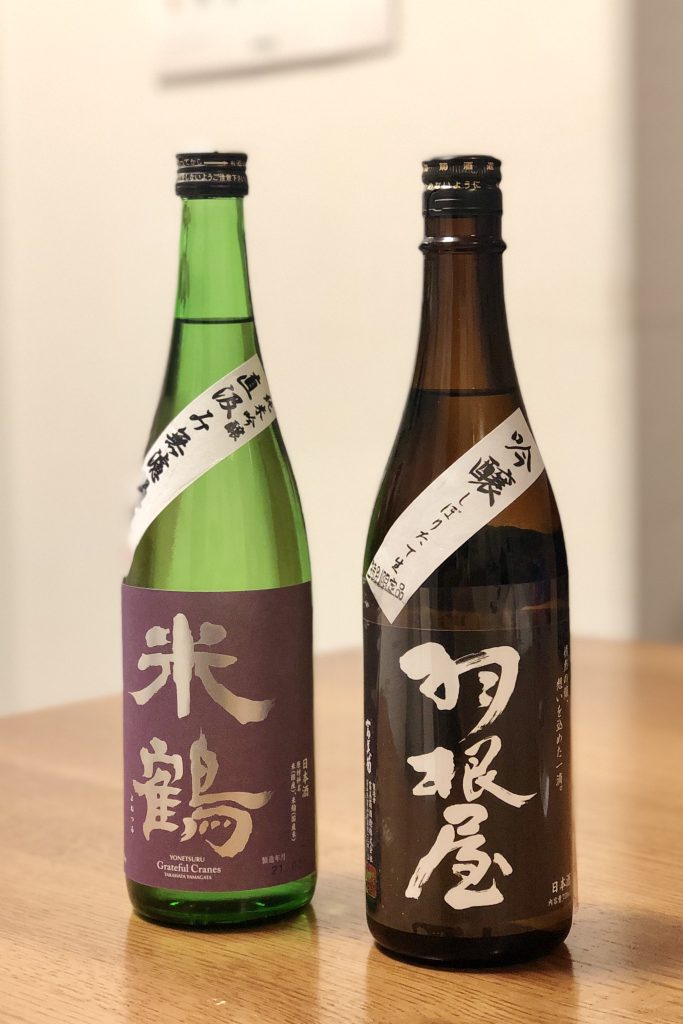
When choosing sake, what do you look for? Aroma, taste, label design… there are many factors. If you’re paying attention to the differences in sake rice, you’re quite the sake connoisseur.
“But what is sake rice?” “There are so many types, I don’t know the difference…” For those of you who feel this way, we’ll explain “sake rice,” which greatly influences the taste of sake, in an easy-to-understand way for beginners.
What is Sake Rice?
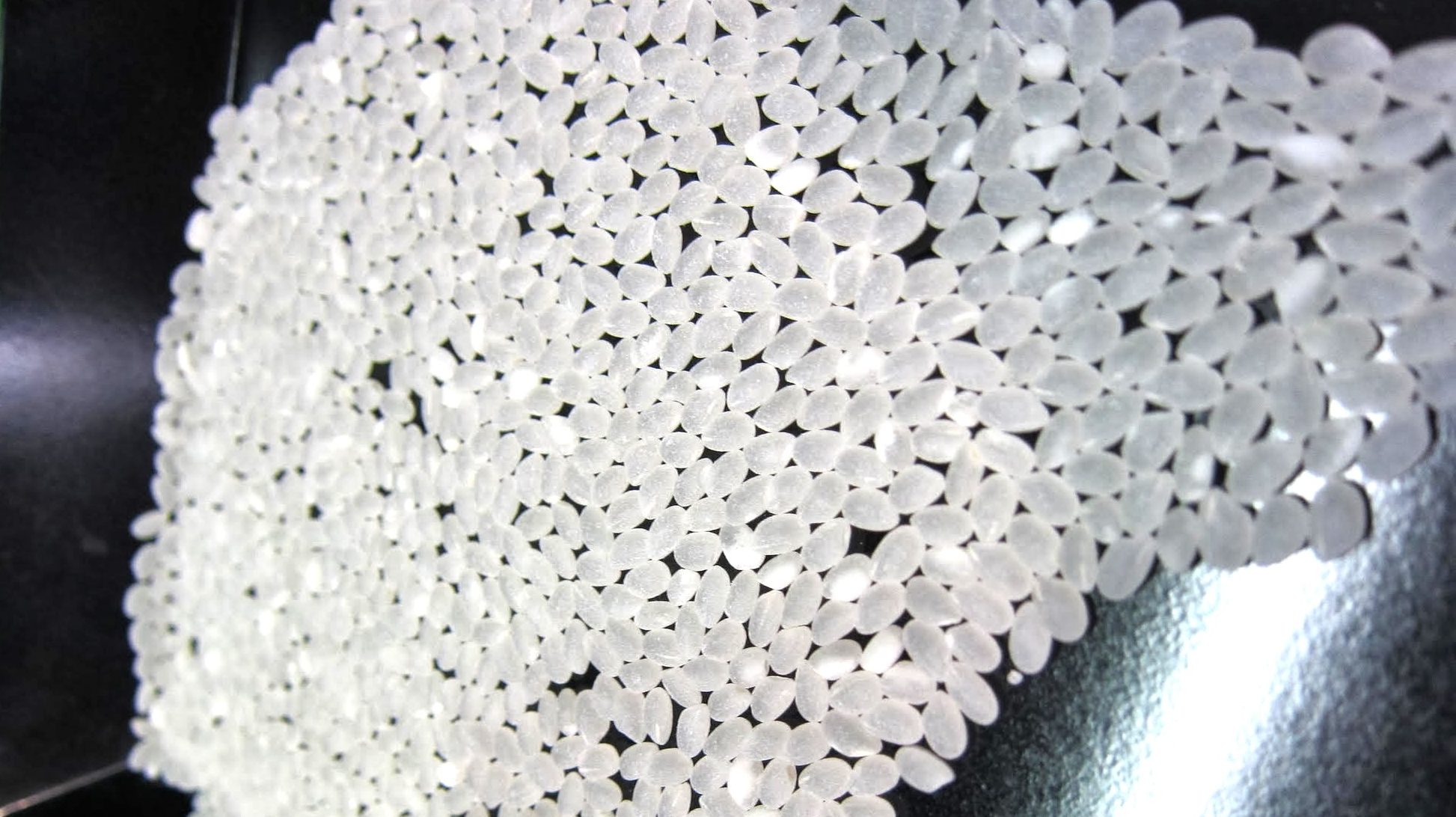
Sake rice is rice suitable for sake brewing. Compared to the table rice we usually eat, it has larger grains and is rich in starch. The white part in the center of the sake rice, called “shinpaku,” greatly affects the taste of sake.
Types and Characteristics of Representative Sake Rice
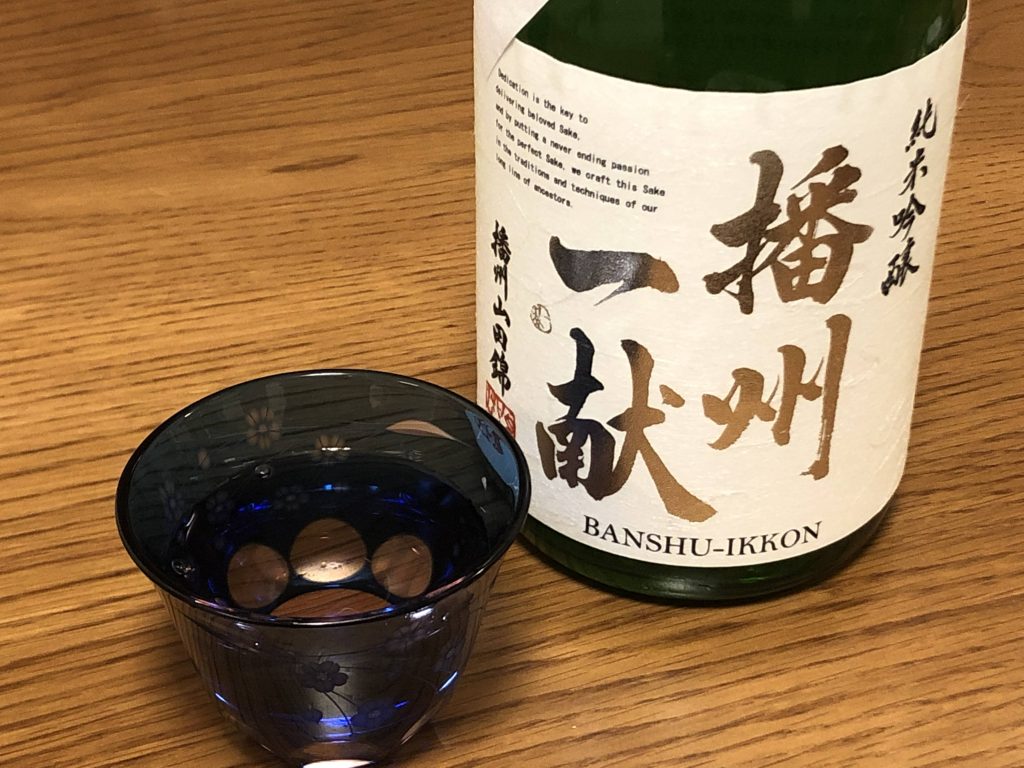
King of Sake Rice “Yamada Nishiki”
- Year of Development: 1923
- Origin: Born from artificial crossing of “Yamada Ho” and “Tankan Wataribune” at the Hyogo Prefectural Agricultural Experiment Station.
- Taste: Silky smooth texture and elegant sweetness. You can enjoy a gorgeous and mellow aroma like ripe melon and pear, and a complex and deep taste like a harmonious orchestra.
- Aroma: A sweet and fruity aroma like white peach and apple, with a hint of floral honey. Aged Yamada Nishiki has a sweet and fragrant aroma like vanilla and caramel.
- Recommended Scenes: For special dinners or conversations with loved ones. Pair with elegant dishes such as foie gras or sautéed white fish.
Dry Sake Champion “Gohyakumangoku”
- Year of Development: 1957
- Origin: Bred by crossing “Kikusui” and “New No. 200” at the Niigata Prefectural Agricultural Experiment Station.
- Taste: Light on the palate, with a crisp dry taste. A refreshing acidity like lemon and grapefruit, and a clear and transparent taste like spring water.
- Aroma: A fresh and refreshing aroma like green apple and herbs. The aroma is even more refreshing when drunk chilled.
- Recommended Scenes: A versatile player that goes well with any dish as a table sake. Enjoy it chilled or warm for everyday dinner drinks.
Romance of Ancient Rice “Omachi”
- Year of Discovery: 1859
- Origin: Naturally crossed species discovered in Okayama Prefecture. The roots of Yamada Nishiki and Gohyakumangoku.
- Taste: A powerful and solid full-bodied richness. A rich sweetness like ripe persimmon and fig, and a complex umami. A deep and mellow taste like aged wine.
- Aroma: A complex and unique aroma like nuts and spices. You can also enjoy the change in aroma depending on the temperature, which is one of the charms of Omachi.
- Recommended Scenes: Pair with rich dishes such as cheese and gibier, and take your time to enjoy the changes.

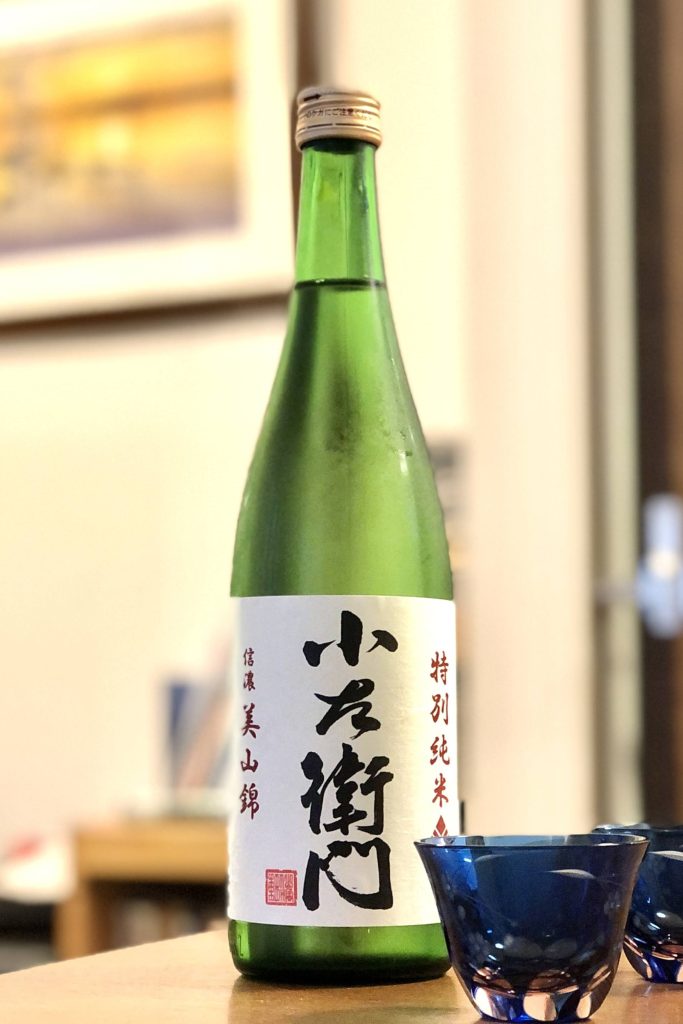
Crisp and Refreshing “Miyama Nishiki”
- Year of Development: 1978 Origin: Bred as a mutant of “Takane Nishiki” at the Nagano Prefectural Agricultural Experiment Station.
- Taste: A sharp and crisp dry taste. When you put it in your mouth, you can feel a refreshing acidity. A clear and transparent taste like melted snow water.
- Aroma: A refreshing and elegant aroma like white flowers and young grass. It stands out even more when chilled. Recommended
- Scenes: As an aperitif or table sake, it enhances the taste of the dish. Pair with delicately flavored dishes such as sashimi and tempura.
Phantom Sake Rice “Aiyama”
- Year of Development: 1941
- Origin: Naturally crossed species born from “Yamada Ho,” the parent of Yamada Nishiki. Born in Hyogo Prefecture.
- Taste: A well-balanced sweetness and acidity, with a mellow taste. A thick and rich umami spreads with a smooth texture. Due to its very soft rice quality, high sake brewing techniques are required.
- Aroma: A sweet and gorgeous aroma like ripe fruit. You can also feel a tropical aroma like melon and pineapple.
- Recommended Scenes: As an after-dinner drink, pair with desserts and cheese. Enjoy it slowly on special occasions.
With this information, please enjoy sake while thinking about the origin, taste, and flavor of sake rice. You’ll surely have a wonderful sake time.
So, Which One is the Best?
There are so many, I can’t decide…! For those of you, here is a ranking of recommendations that blogger Ai has seriously chosen!
- Yamada Nishiki: As it is called the “king of sake rice,” its well-balanced taste teaches you the depth of sake.
- Omachi: The unique aroma and solid full-bodied taste have an unforgettable impact once you drink it.
- Aiyama: The well-balanced sweetness and acidity, and the mellow taste, will make you discover a new charm of sake.
By all means, find your favorite sake rice and enjoy sake more!

コメント