Hello everyone! This is Blogger Ai from Sake Days.
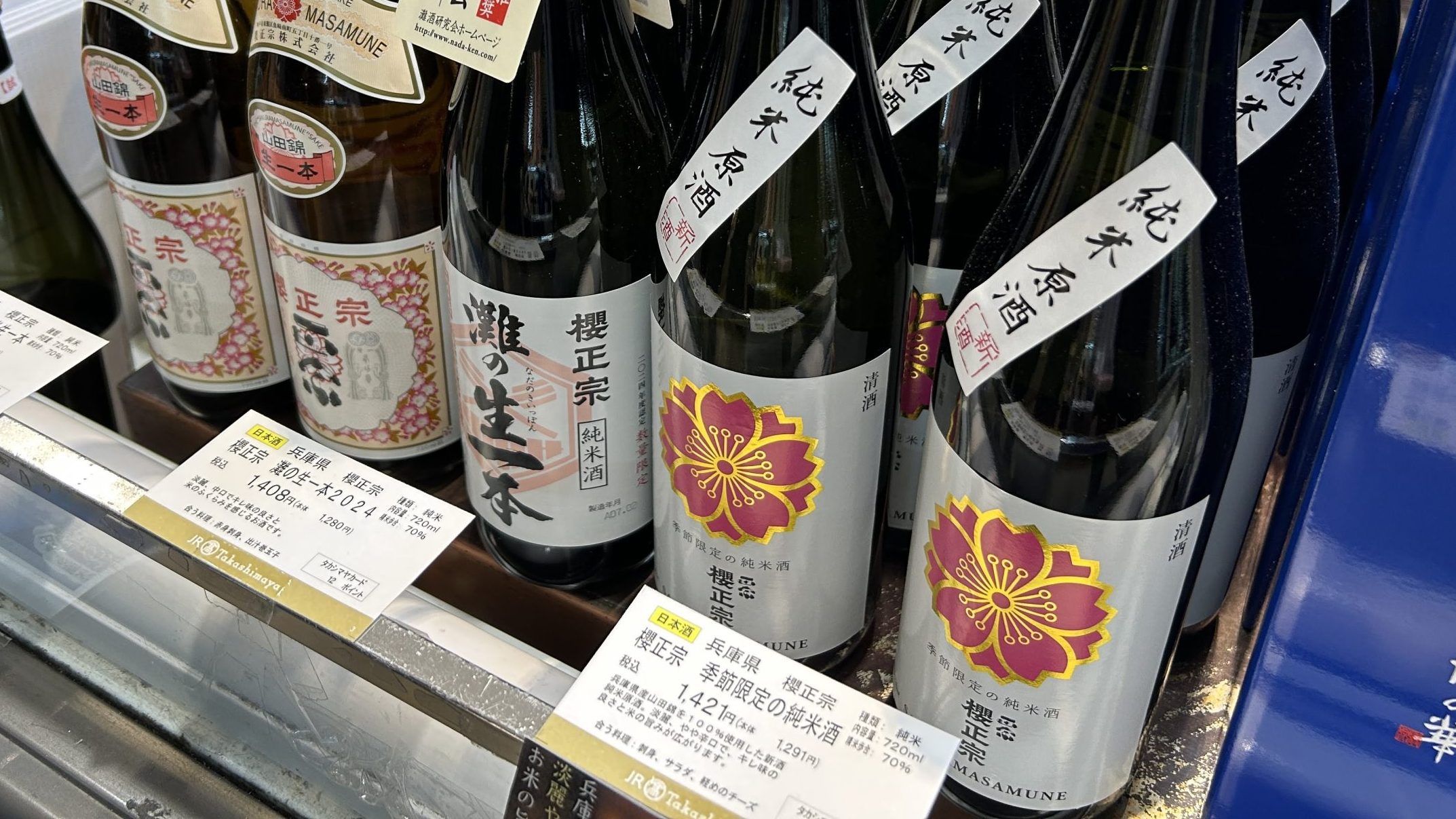
The other day, when I participated in a tasting event of Sakura Masamune held in Nagoya, I suddenly wondered.
“Why are there so many sake brands with the name ‘Masamune’?”
When choosing sake at supermarkets or liquor stores, you often see brands with the name “○○ Masamune,” right?
What does the word “Masamune” actually mean?
Actually, this name is deeply related to the history of sake.
This time, I would like to explore the roots of the name “Masamune” and its spread!
1. The origin of “Masamune”—an accidental connection with seishu (refined sake)
The sake name “Masamune” was born in Nada (present-day Kobe, Hyogo Prefecture) in the late Edo period.
Taizaemon Yamamura VI, the founder of Sakura Masamune, felt that the sake name “Shinsui” at that time was feminine and did not suit the tastes of the sake drinkers at that time.
Therefore, along with the improvement of the brewing method, he was considering a new sake name.
One day, Taizaemon visited the chief priest of Zuikoji (formerly Genan), Gokurakuji Village, Fukakusa, Yamashiro Province, with whom he had a close relationship.
When he saw a sutra scroll with the words “Rinzai Masamune” written on it, he noticed that “Masamune (seishu)” sounded like “seishu (refined sake),” and decided to use “Masamune” as the sake name.
This sake name gained popularity and became widely used as a sake name for seishu.

The birth of Sakura Masamune and Association No. 1 yeast
The Yamamura family continued to modernize sake brewing, and in 1884, they tried to register “Masamune” as a trademark, but it was not approved because “Masamune” had become generalized as a synonym for seishu.
Therefore, at the recommendation of the government, they added the cherry blossom, the national flower, and changed the name to “Sakura Masamune” for trademark registration.
This is the birth of the current company name “Sakura Masamune.”
Even in the Meiji era, Sakura Masamune was a leading seishu manufacturer in Nada.
In 1904, the government established the National Brewing Experiment Station, and excellent yeasts were collected from all over the country.
As a result, Sakura Masamune’s yeast was judged to be the best and was distributed nationwide as “Association No. 1 yeast.”
The spread of “Masamune”—why did it increase so much?
The background to the spread of the name “Masamune” is its high quality.
In the Edo period, Sakura Masamune’s sake was very delicious and gained a reputation.
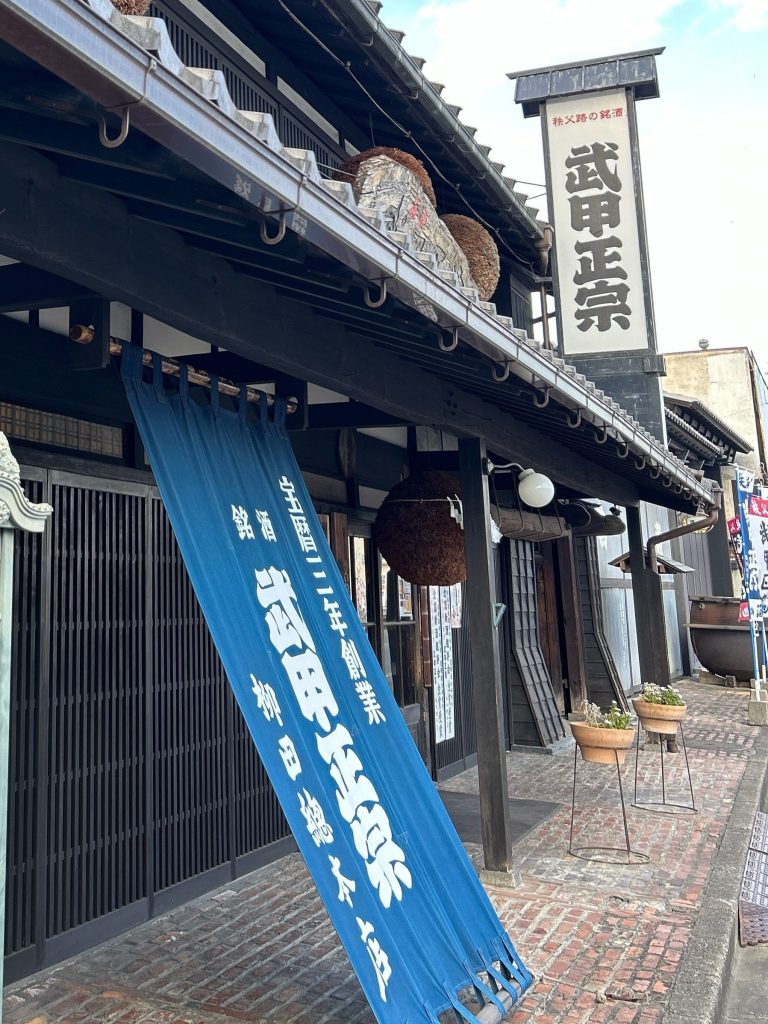
Therefore, other sake breweries also began to adopt the name “Masamune,” and brands such as “○○ Masamune” were born one after another.
In this way, the name “Masamune” became a synonym for sake and spread throughout the country.
4. Summary
The name “Masamune” contains an accidental discovery and trust in high-quality sake.
“Masamune” spread as an auspicious name because it has a good sound that leads to “seishu.”
If you find a sake with the name “Masamune,” please pick it up.
By tasting it while remembering the history and meaning behind it, you should be able to enjoy the deep world of sake even more.
Sake is really deep, isn’t it?
I will continue to share the charm of sake!

コメント