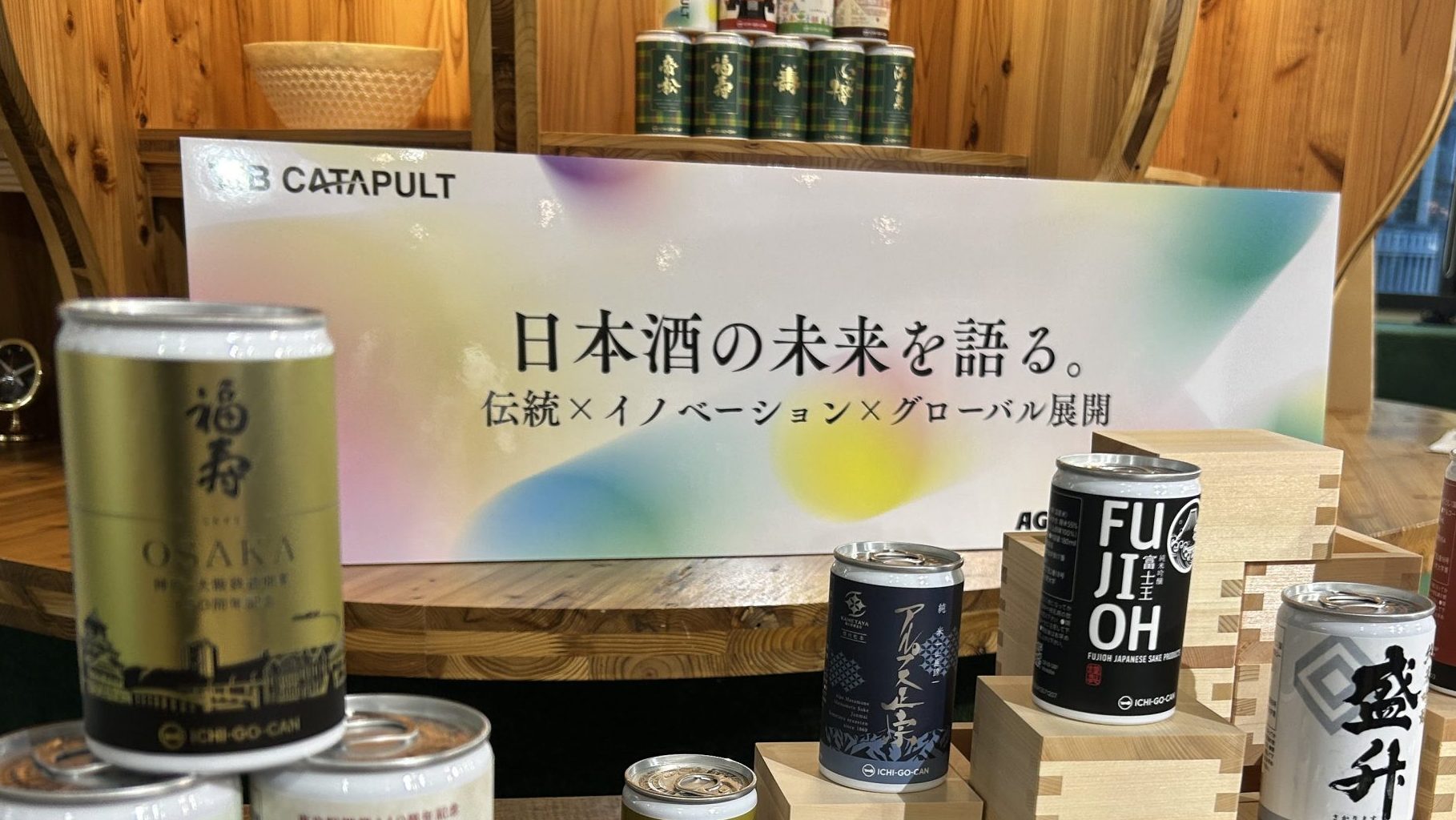
Hello everyone! This is Blogger Eye from “Sake Days.” The other day, I attended a symposium with a title that just made me excited: “Talking About the Future of Sake: Tradition x Innovation x Global Expansion”!
With its registration as a UNESCO Intangible Cultural Heritage, sake is attracting more and more attention from around the world. This symposium was about discussing its future from various perspectives, and as a sake lover, I couldn’t miss it.
I’m going to report on this day, where I felt the potential of sake to preserve tradition while fearlessly taking on new challenges and spreading its wings to the world!
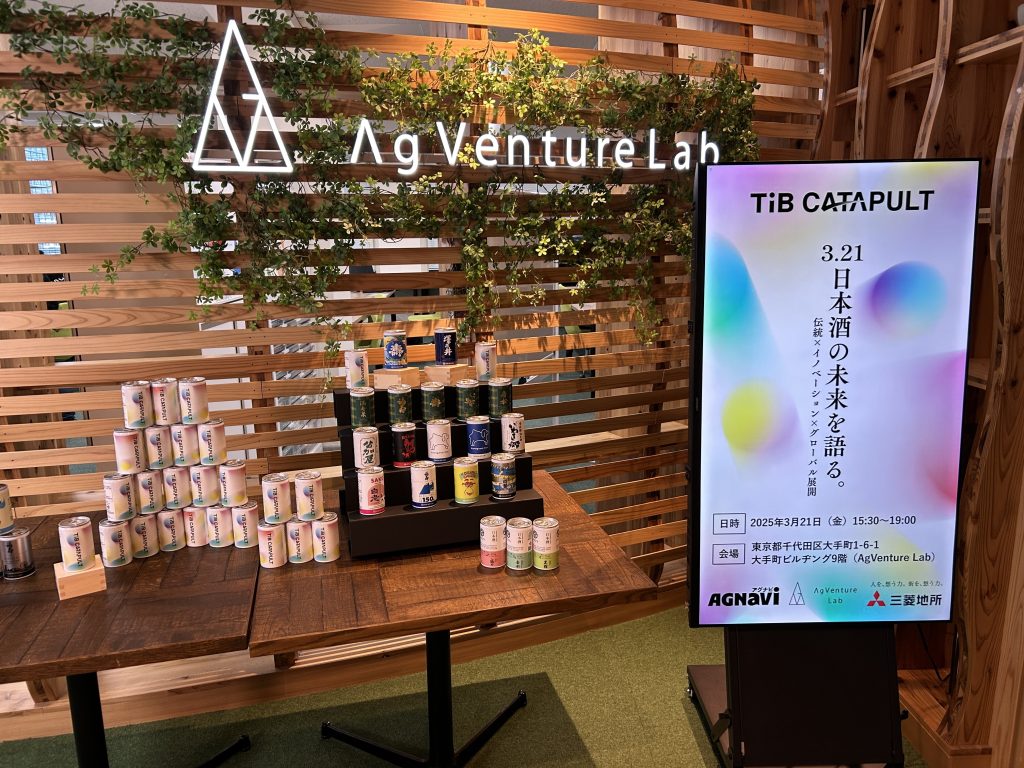
🥂 A Crossroads of Knowledge! Symposium Overview
First, let’s start with the basic information about the symposium:
- Date & Time: Friday, March 21, 2025, 15:30 – 19:00 (Reception started at 15:00)
- Location: AgVenture Lab (Otemachi Building 9F, 1-6-1 Otemachi, Chiyoda-ku, Tokyo)
- Organizer: Agnavi Co., Ltd., AgVenture Lab General Incorporated Association
- Supporter: Tokyo University of Agriculture
- Participation Method: On-site participation (150 people by lottery), Online streaming (No limit on the number of participants, registration required)
- Participation Fee: Free (On-site participants received a social gathering and souvenirs; online participants did not)
The venue was filled with many people who have a passion for sake. It seems like there were many online participants as well!
✨ Looking at Discussions by Theme! Heated Debates on the Future
The symposium was divided into three main themes: “Sake and Reconstruction,” “Innovation in Sake,” and “Potential for Inbound Tourism and Export.” Each session was truly fascinating, so let me introduce them in detail.
🤝 Tradition and Reconstruction: A Cup Connecting Thoughts to Home
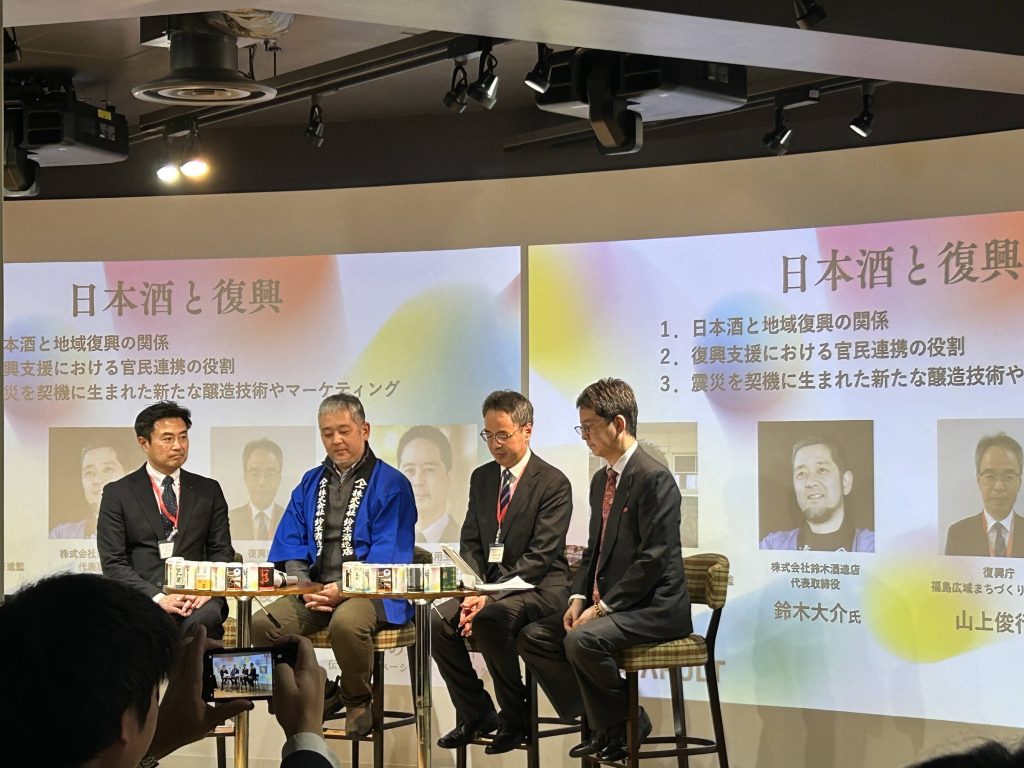
The first session was “Sake and Reconstruction.” The discussion focused on the role of sake in the reconstruction efforts following the Great East Japan Earthquake, with the brewery owner of Suzuki Shuzo in Namie, Fukushima Prefecture, and a representative from the Reconstruction Agency taking the stage.
They talked about sake brewing that utilizes local Koshihikari rice, carefully polished to 55%, and sake made with yeast extracted from cosmos flowers blooming in Namie. It was a story of creating sake that embodies the unique characteristics of their hometown, contributing to the economic and cultural revitalization of the disaster-stricken area.
Mr. Sato from the Fukushima Prefectural Government shared that there are a staggering 56 sake breweries in Fukushima Prefecture! He also pointed out that while many of them are small, this very diversity holds the potential to explore untapped overseas markets. His powerful message left a strong impression on me.
The fact that the keywords “reconstruction” and “tradition” were discussed side by side showed that sake is not just a traditional cultural asset but can also be a powerful symbol for overcoming difficulties and revitalizing local communities. The sight of breweries in the affected areas continuing to brew sake while preserving traditional techniques is truly moving. And for us who savor that sake, it becomes a precious opportunity to share our thoughts on reconstruction.
🍶 Innovation in Sake: Fearless Challenges in the Face of Change
The next session was “Innovation in Sake.” Under the theme of “Considering the Future of Sake from the Production Perspective of Rice/Containers/Brewing,” Mr. Ozawa, President of Ozawa Shuzo; Mr. Ochiai from Toyo Seikan Kaisha, Ltd.; and Mr. Kanematsu from AgVenture Lab took the stage.
President Ozawa spoke about the slight resistance within Sawanoi to adding anything extra to sake as sake makers, but also about the importance of taking on challenges. In particular, barrel-aged sake makes me feel the new potential of sake!
I was also struck by the story that sake has a history of constantly evolving with the changing times. For example, in the Edo period, sweet sake was mainstream. This was likely because there was a demand to satisfy the craving for sweets, as sugar was expensive at the time.
Recently, with more people enjoying food and sake pairings, the popularity of sake with high acidity and umami has been increasing. It goes well not only with Japanese cuisine but also with Western dishes. I was even surprised to hear that there is sake that pairs with pizza in America! The diversity of sake is truly amazing!
From the perspective of containers, Mr. Ochiai from Toyo Seikan introduced the Ichigo-kan, a can container specifically designed for sake. Cans are light and don’t break, making them ideal for export! Moreover, aluminum has a very high recycling rate and is a sustainable material. The fact that the entire surface can be designed is also attractive. Sake in stylish cans seems to suggest a new way to enjoy sake.
✈️ Potential for Inbound Tourism and Export: Sake Soaring to the World
The final session was “Potential for Inbound Tourism and Export.” With the UNESCO Intangible Cultural Heritage registration, the discussion focused on strategies for further global expansion of sake. Mr. Kelvin Sham from Hong Kong MX Supply Chain Ltd. and Mr. Hirase from Mitsubishi Estate Co., Ltd. took the stage, with Mr. Gen from Agnavi serving as the facilitator.
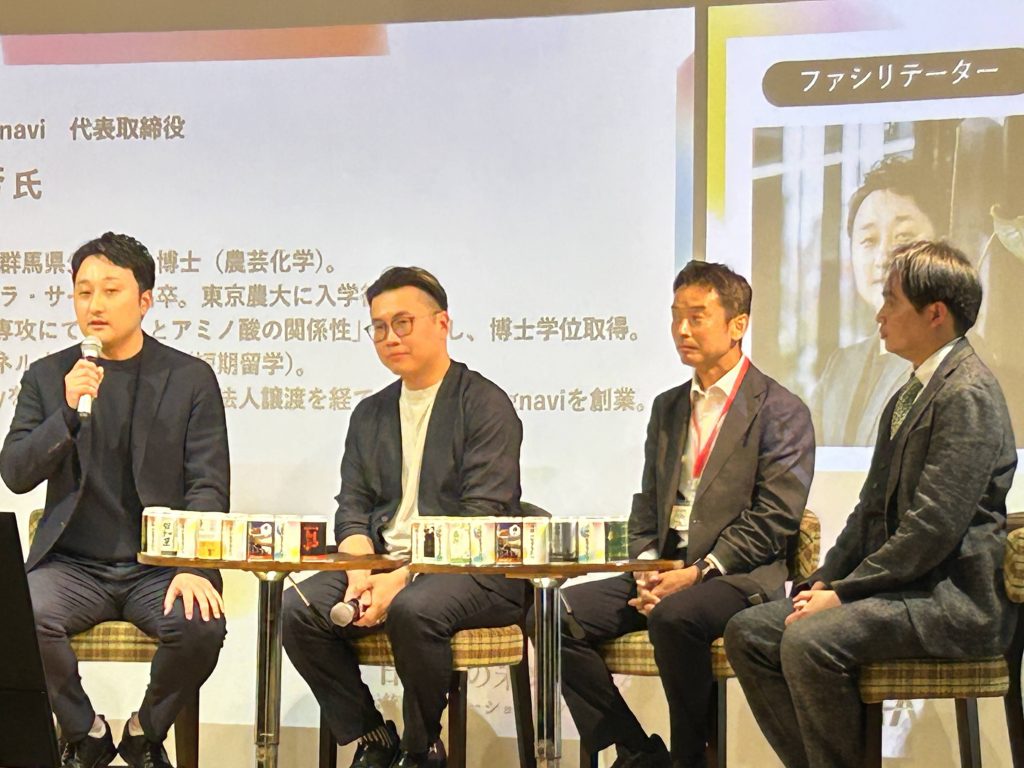
In Hong Kong, beer and wine are commonly consumed, and it was mentioned that “story” is important for spreading sake. Perhaps by conveying the background of who is making it and with what thoughts, the appeal of sake can be communicated to more people.
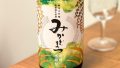
Also, it seems that sweet and fragrant sake, as well as sparkling sake, are gaining popularity overseas. Bottle design is also important, and visual appeal is a factor in choosing sake. I myself am always drawn to sake with beautiful bottle designs!
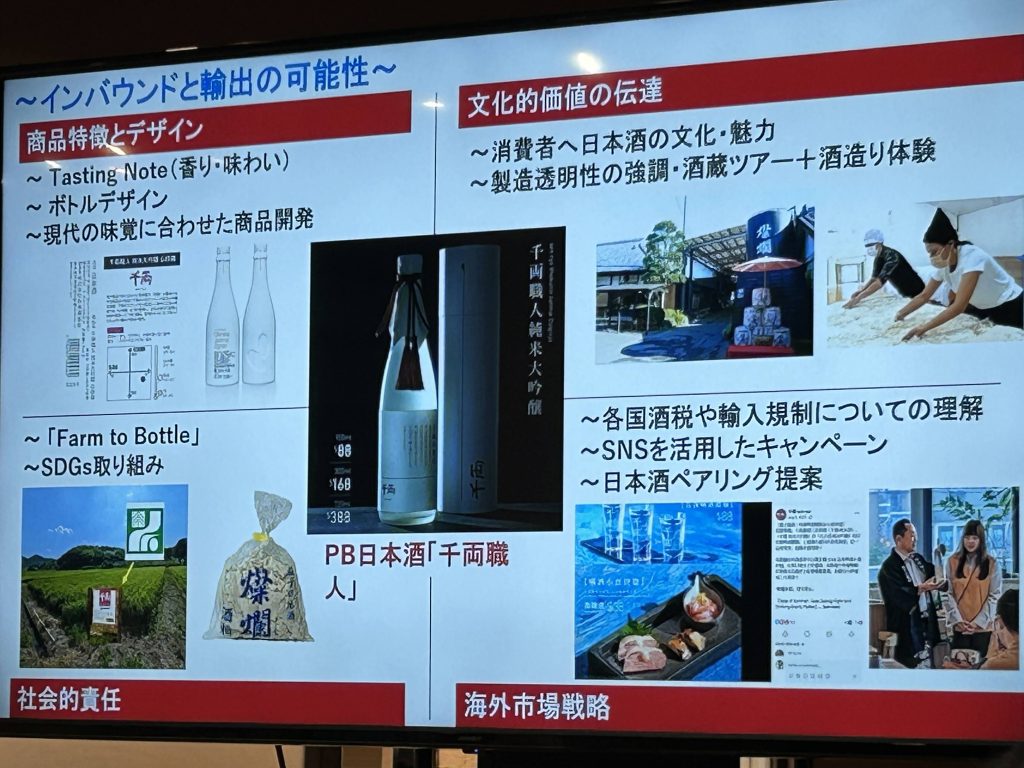
🎉 An Energetic Symposium! And a Bright Future Ahead
Throughout the symposium, I felt that the sake industry is facing a major turning point. I learned that various initiatives are underway to meet the needs of overseas markets, such as improving container preservation and logistics, and proposing new consumption styles.
And I also felt a shared awareness that Tokyo, as the center of Japanese food culture, plays an important role in the transformation of sake.
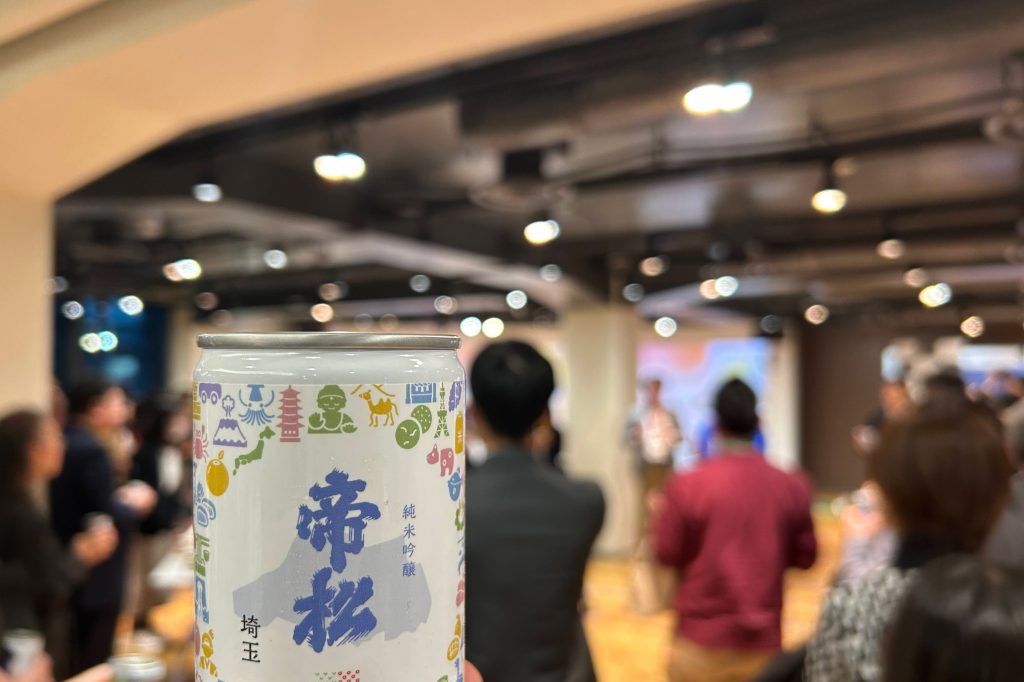
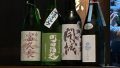
After the symposium, a social gathering was held, providing a lively networking opportunity for speakers and participants. I was fortunate enough to interact and network with many people involved in sake. Meeting people from government ministries, local governments, and many breweries was a great asset!
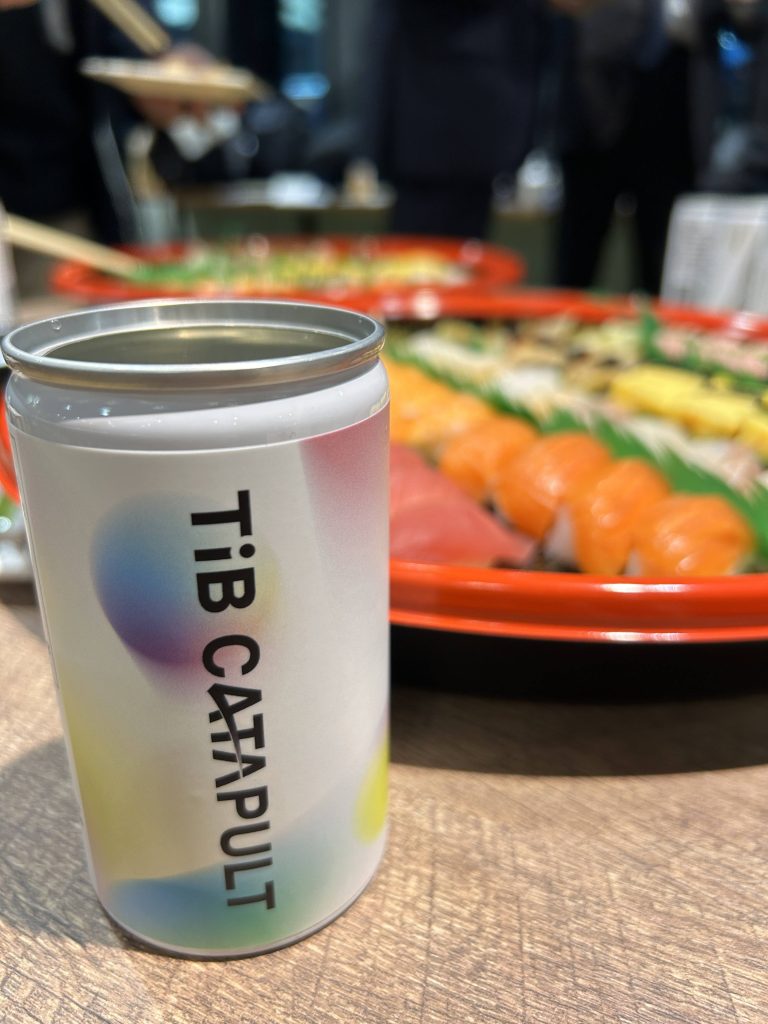
Through this symposium, I truly felt that the future of sake is bright! The passion of the sake industry to cherish tradition while fearlessly embracing change and striving to expand globally will surely captivate the world!
I also want to continue enjoying encounters with various sakes and share their appeal with all of you here on “Sake Days.”
Until next time!
コメント