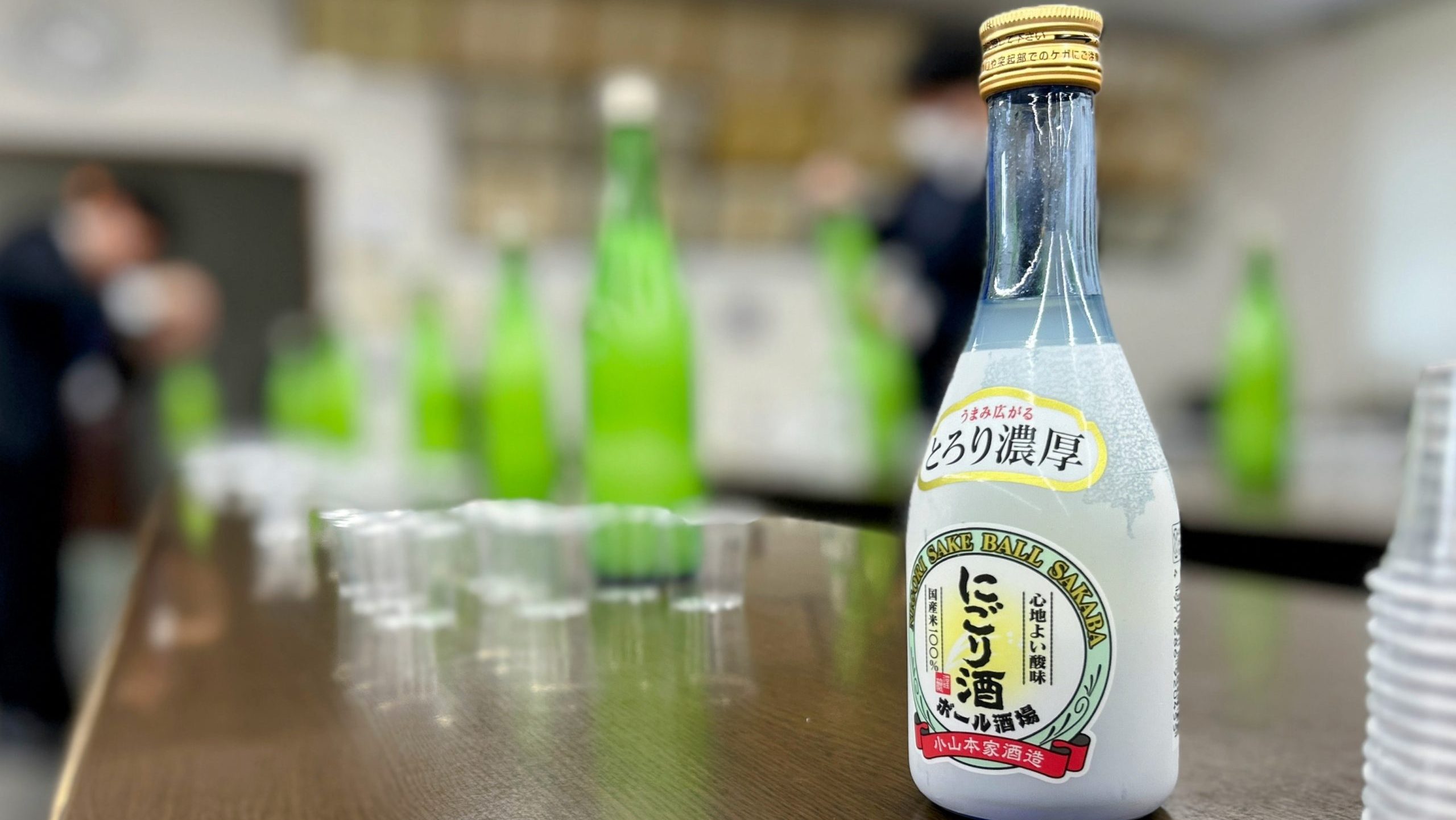
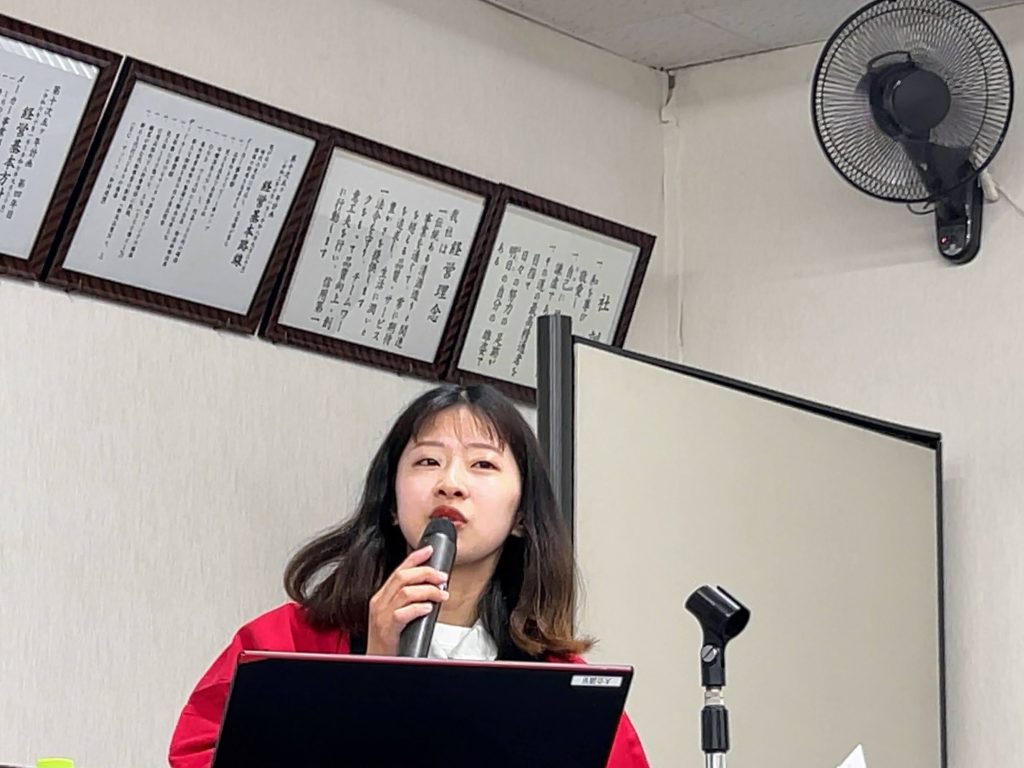
The other day, I attended an event I’d been looking forward to all year – the annual kurabiraki (brewery opening event) at Koyamahonke Shuzo! 🍶✨ What made it even more special was that I managed to snag a spot in the pre-booked “Sake Lecture” first thing in the morning! Getting to learn more deeply is the best kind of holiday, don’t you think?
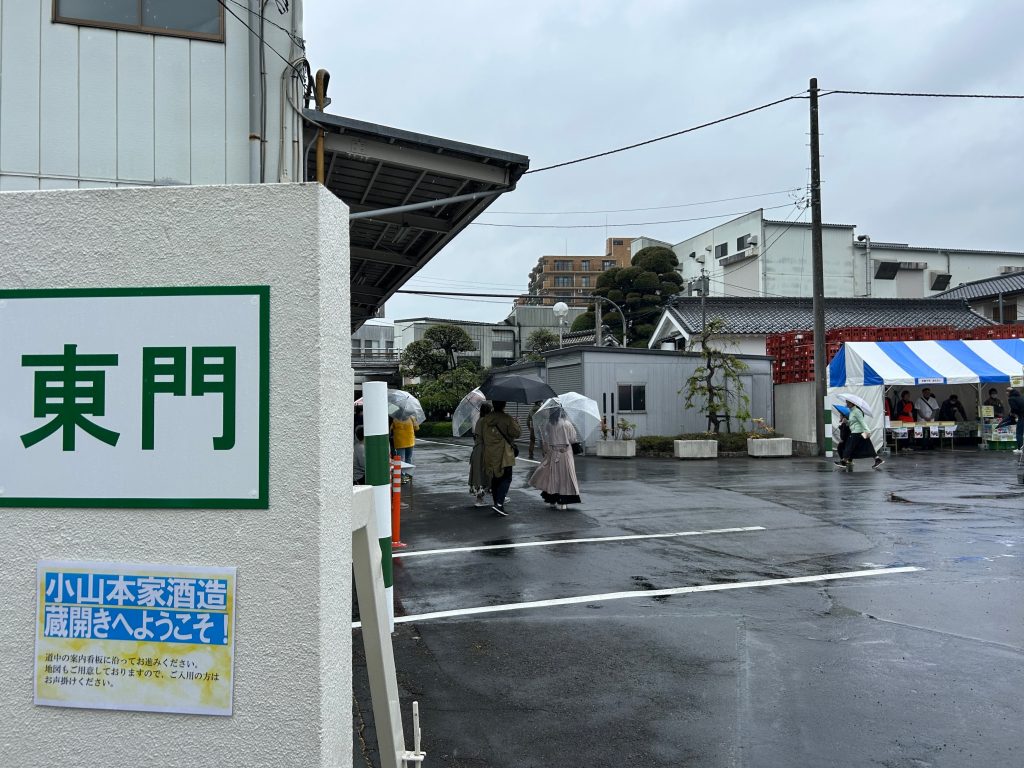
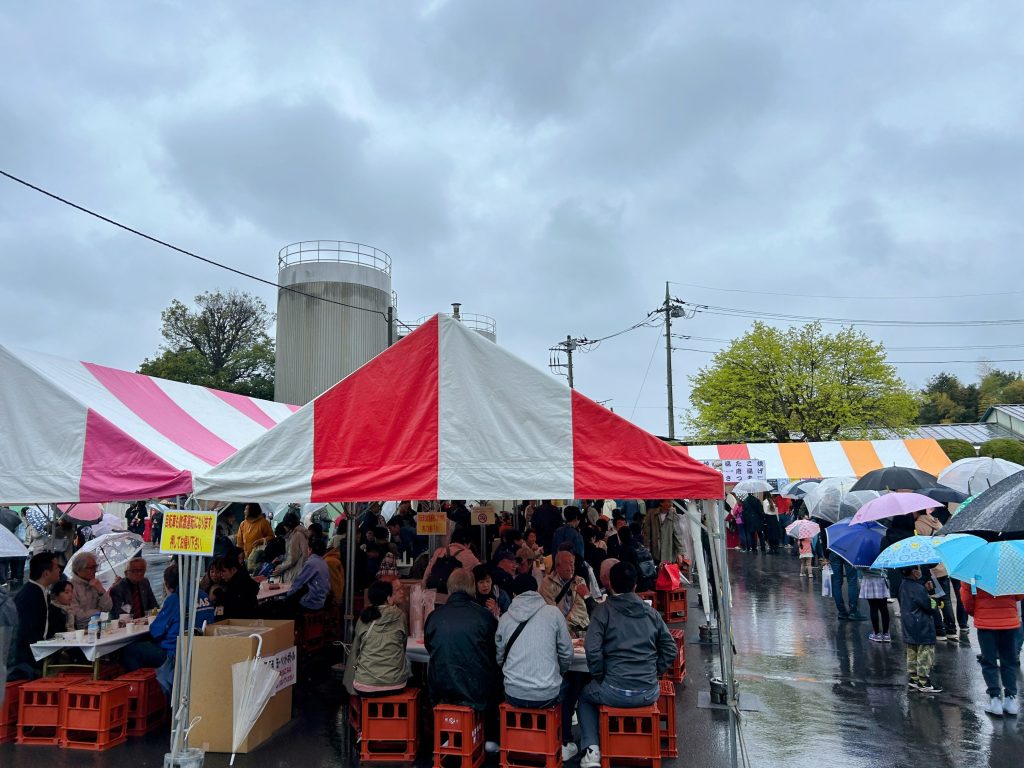
It was unfortunately a rainy day… ☔ But inside, the venue was buzzing with the warmth and excitement of so many sake fans! It’s funny how the sound of rain can turn into pleasant background music when you have delicious sake and great conversation 😊
Today, I want to share not only the interesting things I learned in the lecture but also passionately tell you about an unforgettable, special sake I had a fateful encounter with at this event – ‘Ito’!
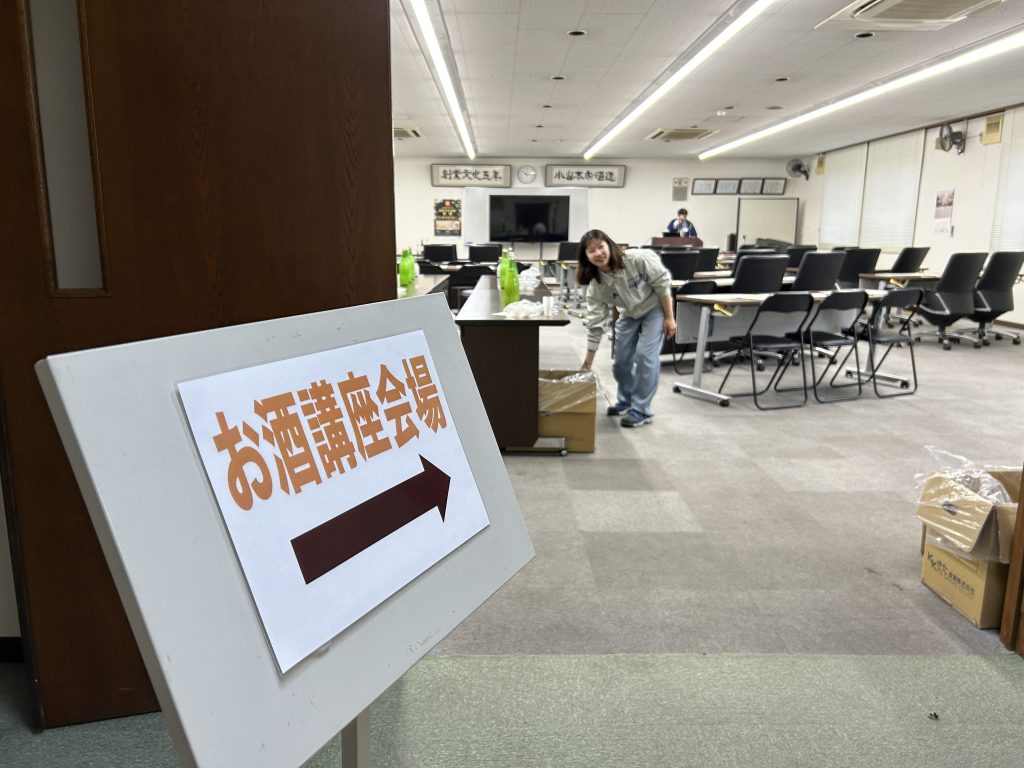
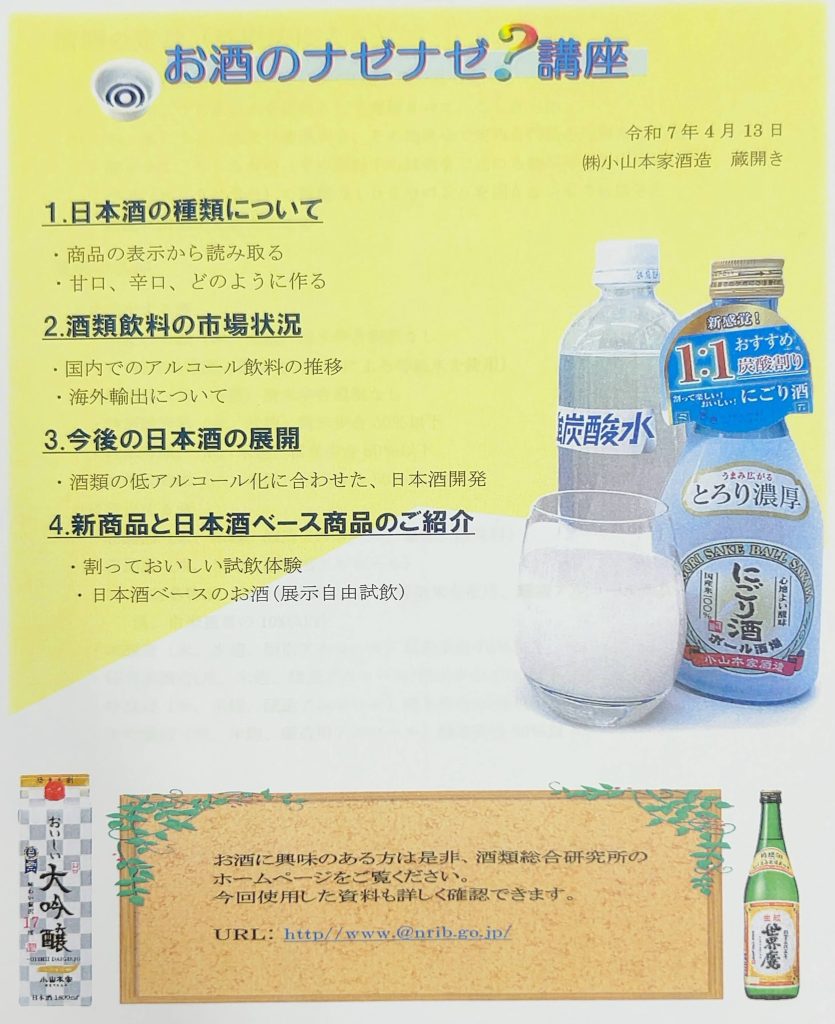
Rediscovering Sake’s Charms at the Sake Lecture!
First, let me share a few “Aha!” moments from the lecture.
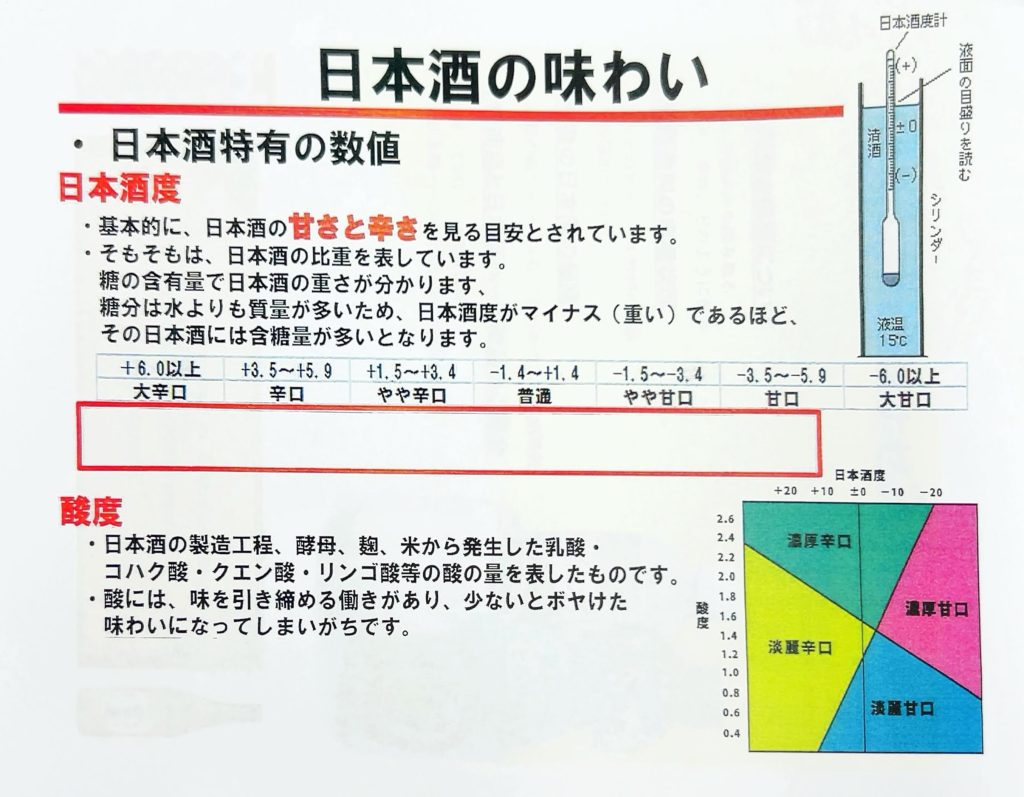
Your Taste Compass: SMV and Acidity
You often see “Nihonshudo” (Sake Meter Value or SMV) and “Sando” (Acidity) on labels. They give clues about dryness/sweetness and richness/lightness. Seeing them plotted on a chart during the lecture was fascinating! It helped me rediscover my own preferences. “Ah, for food pairing, I really seem to like this zone here, with a good amount of succinic acid (an umami component)!” 🥰 Just imagining the complex flavors unfolding on the palate brings such happiness.
Brewed with Human Hands and Heart: The Depth of Moromi Management
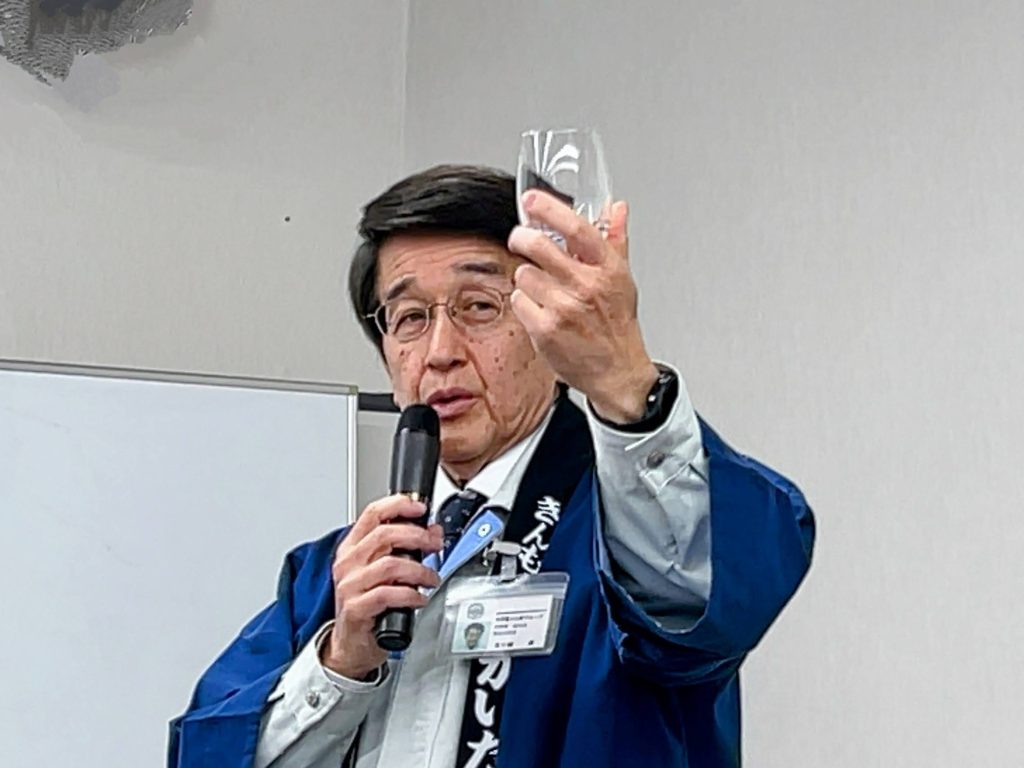
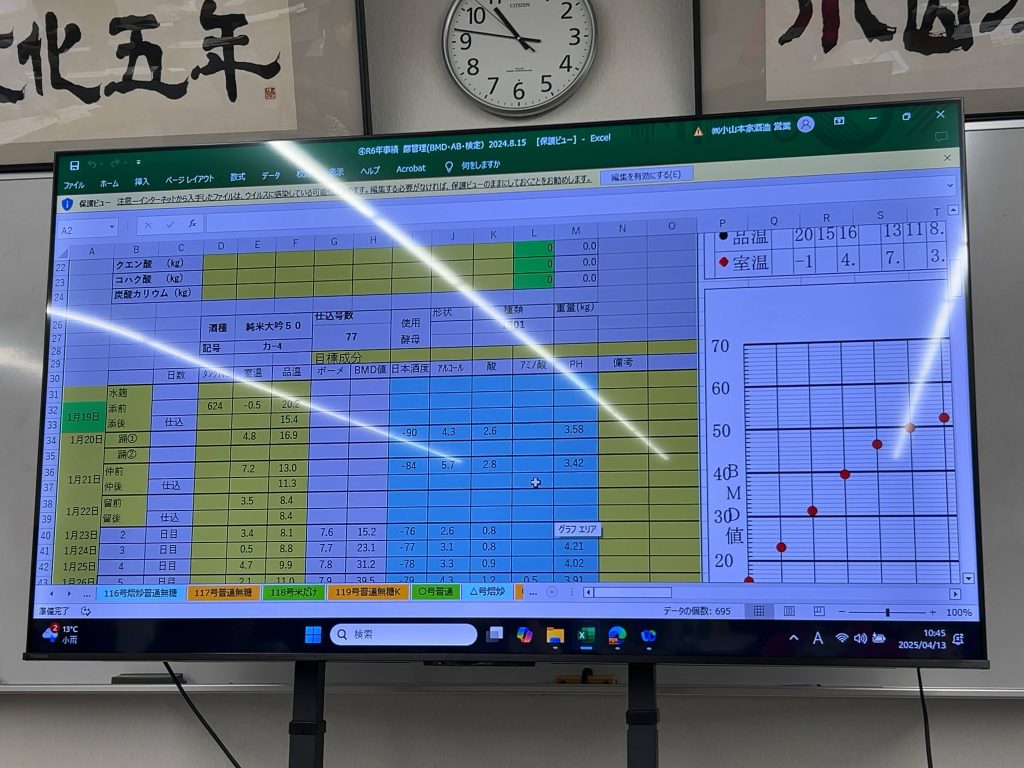
Moromi (the fermenting mash) management is arguably the heart of delicious sake brewing. While data is certainly used today, the final decisions rely heavily on the Toji‘s (Master Brewer’s) “kannou kensa” – sensory evaluation based on years of experience. Apparently, checking the aroma is particularly crucial, and Koyamahonke Shuzo sometimes uses tasting glasses, like those for wine, to capture delicate scents. Sharpening the senses to listen to the ‘voice’ of the moromi… it’s true craftsmanship, and you can feel the passion.
Taking on the World! Sake Market Trends
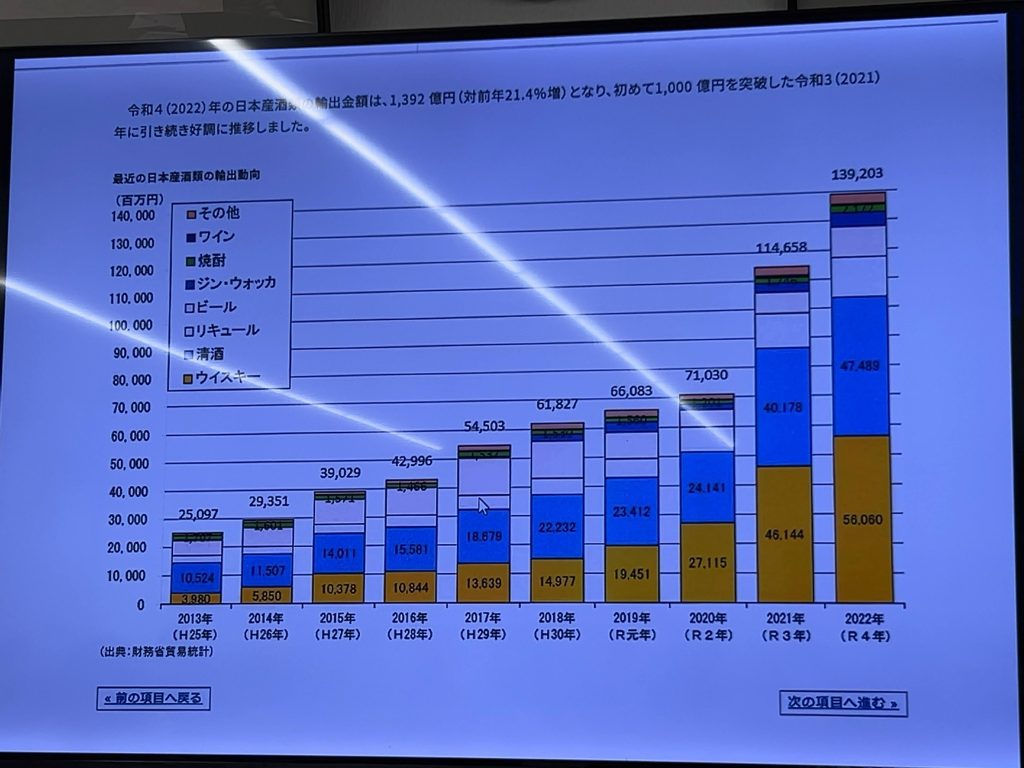
Japanese sake is now loved worldwide! Exports to Taiwan are particularly strong, perhaps because of similarities in food culture making it more accessible. It’s interesting how preferences and tax laws differ by country. For example, in the US, sake with added brewer’s alcohol tends to be taxed higher, leading to a preference for junmai types. The fact that many exported sakes are premium, higher-priced bottles shows that sake is recognized for its special value✨
The Future Standard? Low-Alc & Soda Mixers
A key trend is “low-alcohol” sake, around 7% ABV, making it easier to enjoy casually. This is great news! They also suggested a “Nigorizake Highball” (mixing cloudy sake with soda – treated as a liqueur). A 1:1 ratio is supposedly delicious! Fizzy, refreshing, slightly sweet… doesn’t that sound tempting? 🥂

A Moving Encounter! Sherry Cask Aged Kijoshu “Ito”
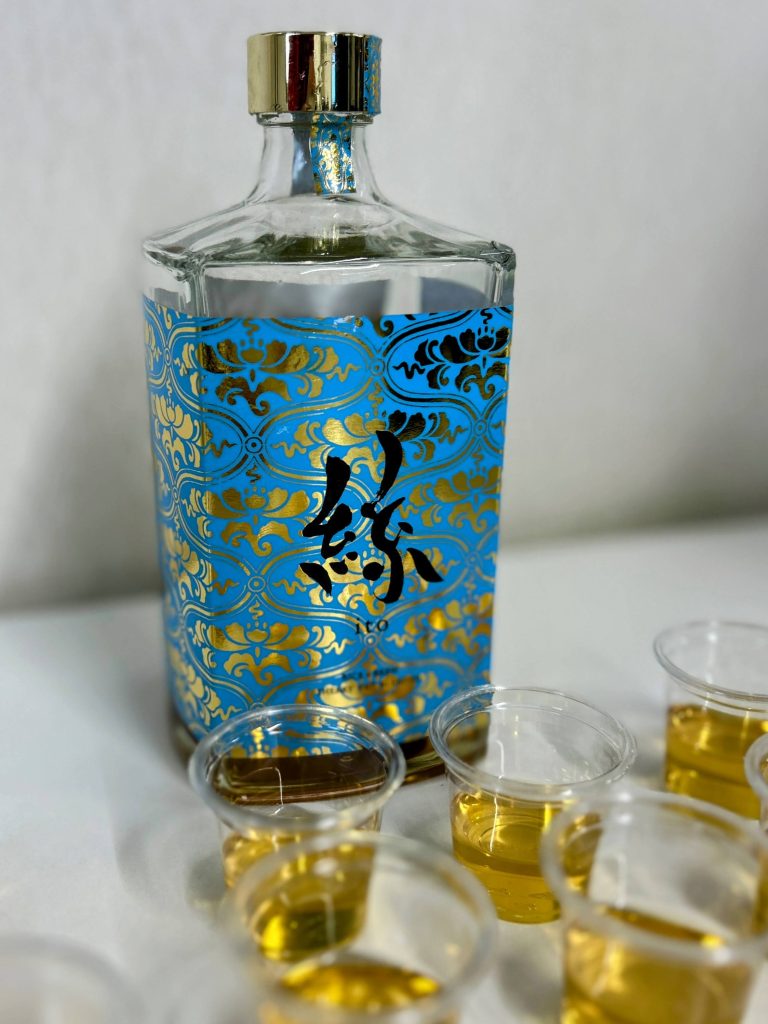
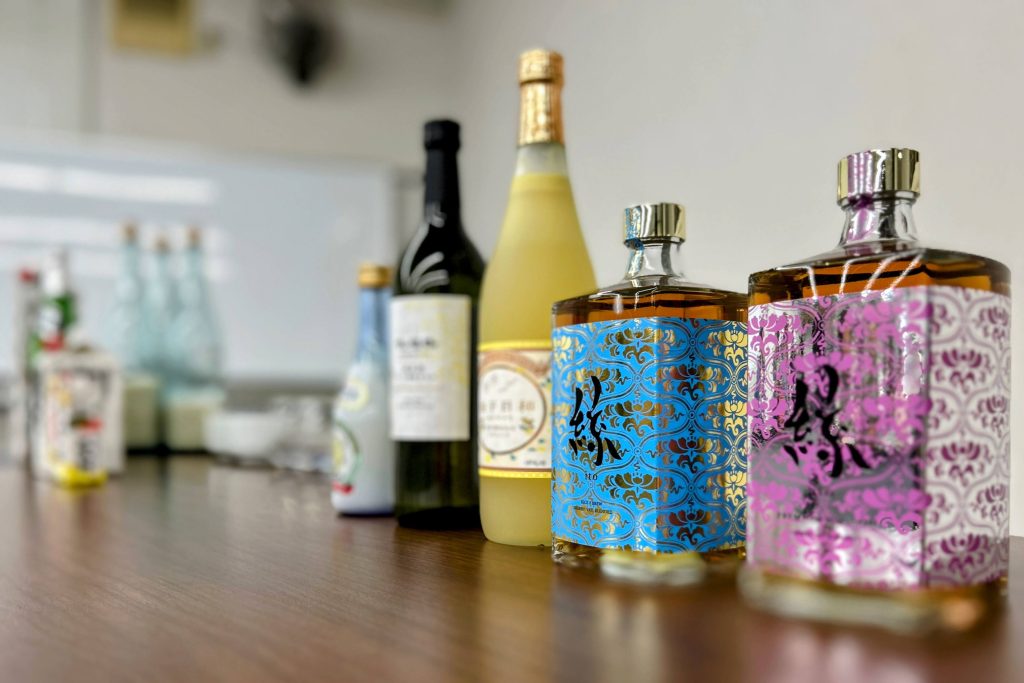
Okay! Now for the sake that completely stole my heart at this event! Its name is… ‘Ito’ (絲) ✨
This isn’t just any Kijoshu (a rich, sweet style of sake brewed using sake instead of water in the final stage). Unbelievably, ‘Ito’ is made from Kijoshu Genshu (undiluted Kijoshu) that was specially brewed just for aging, then matured slowly for several years in Sherry casks!
And here’s the truly amazing part: this endeavor began way back in 2003! I was moved just thinking about it… a sake nurtured slowly, carefully, over such a long time.
I was incredibly fortunate to get a chance to taste it at the venue! There was a light blue label (the Kijoshu aged in Sherry casks) and a pink label (Umeshu [plum wine] aged in Sherry casks).
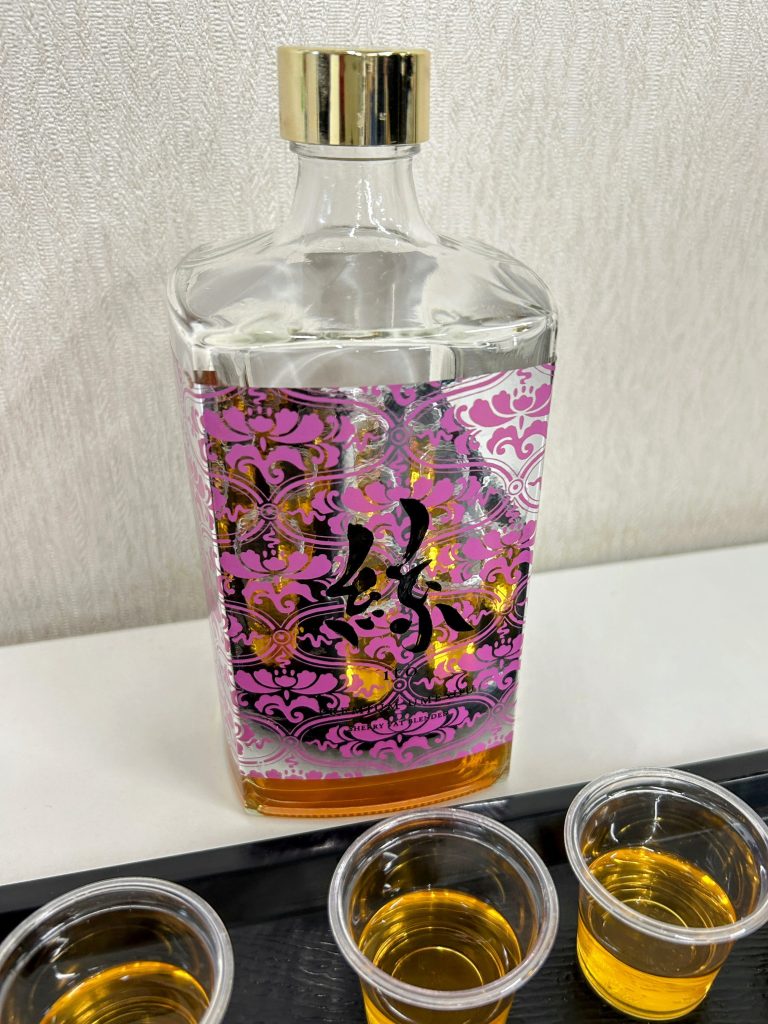
Both were unique and appealing, but…
The one that resonated deep within my soul was, without a doubt, the blue-labeled Kijoshu ‘Ito’! 💖
The moment I brought the glass closer, the aroma… derived from the Sherry cask, it was sweet, rich, complex, maybe even a little smoky… Taking a sip, the concentrated umami and deep sweetness characteristic of Kijoshu melded perfectly with the cask nuances, spreading across my tongue with a melting texture. The long finish felt like a beautiful story unfolding…
I was utterly captivated… It made me realize, “Wow, sake can be this free, this capable of painting such a profoundly deep world!” I was truly moved.
The idea of aging sake in Sherry casks is innovative, but more than that, it requires the immense cost of “time.” It’s not something other breweries can easily replicate.
Encountering ‘Ito’ felt like opening a new door to the possibilities of sake. It was the absolute highlight of the event, a treasured experience!
My Little Dream… Saitama Terroir
Finally, during the Q&A, I asked about a personal dream of mine.
“I’d love to try an ‘All-Saitama’ sake – brewed in Saitama City, using rice grown in Saitama Prefecture, maybe even Saitama City rice… What do you think about its market potential?”
Koyamahonke Shuzo does use ‘Sai no Kagayaki,’ a rice variety from Saitama Prefecture, but securing a stable, large supply of rice from a specific local area is challenging. So, making a sake that’s 100% local in every aspect is quite difficult currently.
Still, I dream of trying it someday… a sake filled with the love of the local rice, local water, and the local brewer. It evokes such a warm feeling, a fondness for one’s roots, you know? 🌸
Conclusion
The Koyamahonke Shuzo brewery opening and sake lecture… Despite the rain, it was a day full of learning and the incredibly moving encounter with ‘Ito’… it truly warmed my heart and was so fulfilling!
The more you learn about sake, the more fascinating it becomes. And discovering a delicious bottle really does brighten your everyday life.
I hope you all get a chance to find your own favorite sake, maybe visit a brewery event, and discover your own wonderful “Sake Days”!
See you again on the next blog post!


コメント