Hello everyone! Welcome to Sake Days, this is your blogger, Ai.
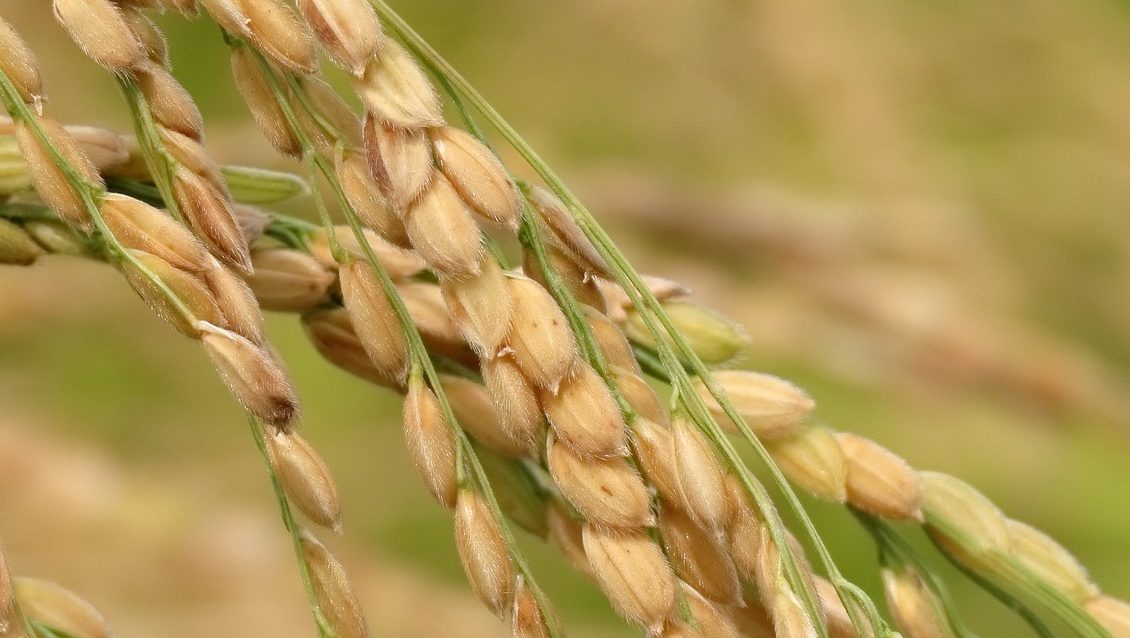
Lately, I’ve been increasingly captivated by the allure of sake, especially diving deep into the world of “sake rice”! It’s like opening a treasure chest of excitement! ✨
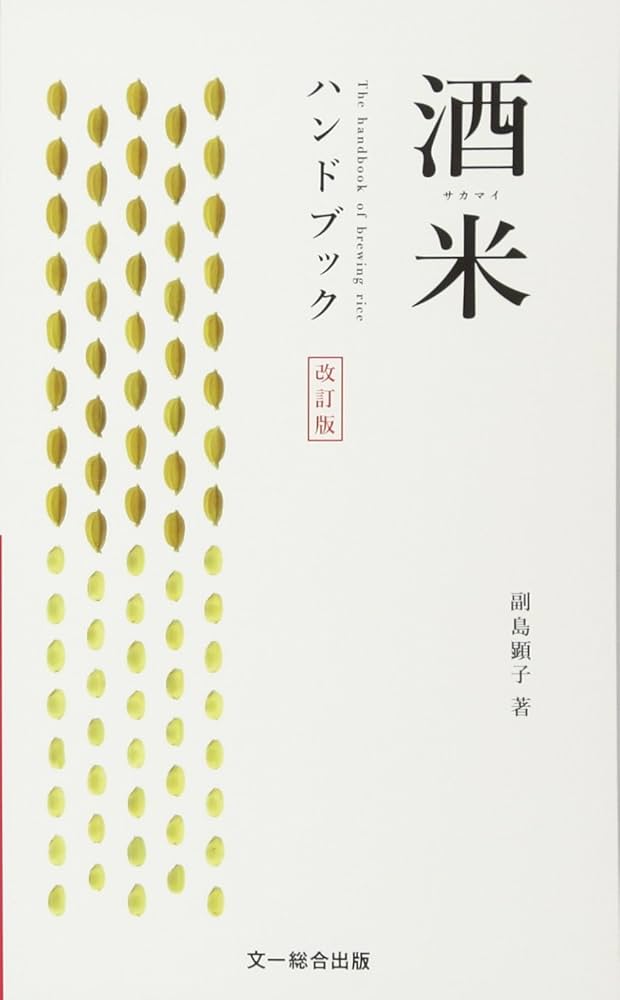
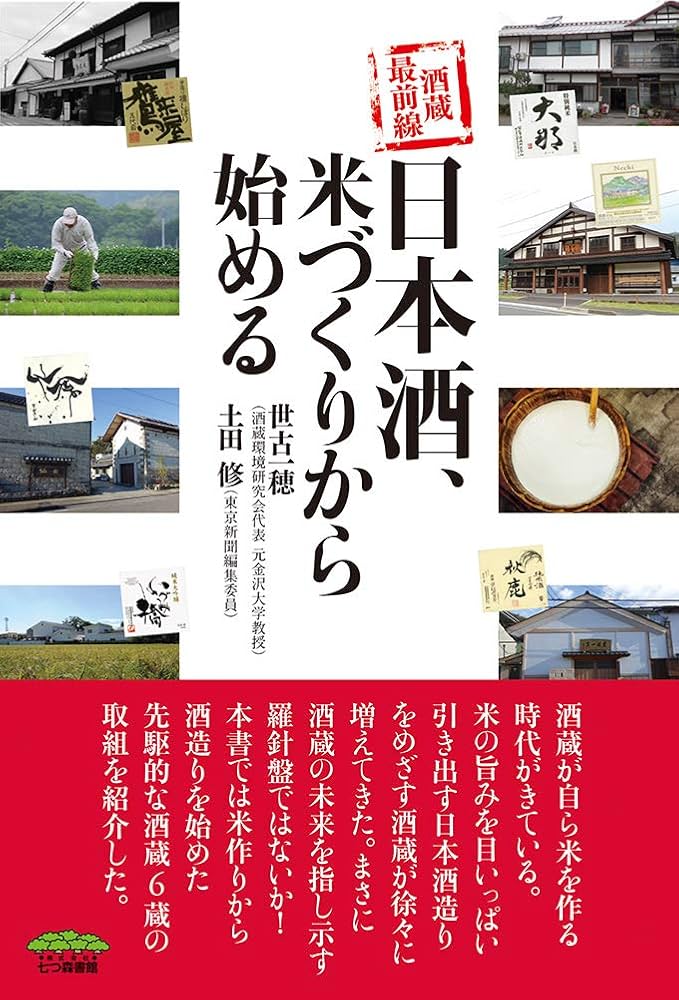
Immersing myself in books like “Sake Rice Handbook” and “Sake, Starting from Rice Cultivation – The Forefront of Sake Breweries,” I’m overwhelmed by the profoundness of sake rice! Speaking of storms, I wonder if I can watch a live Arashi concert while drinking sake someday. lol
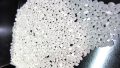
This time, we’re spotlighting “sake rice,” which significantly influences the taste of sake, and dissecting its secrets!
Yamada Nishiki, Gohyakumangoku, Omachi, Miyama Nishiki… we’ll unravel the mechanisms of how these sake rice varieties work their magic on sake flavors.
After reading this article, your sake tasting experience will surely be even more enjoyable!
Now, let’s embark on a journey together into the fascinating world of sake rice, woven with its diverse varieties!
The Structure and Secrets of Sake Rice
What is Shinpaku (White Core)?
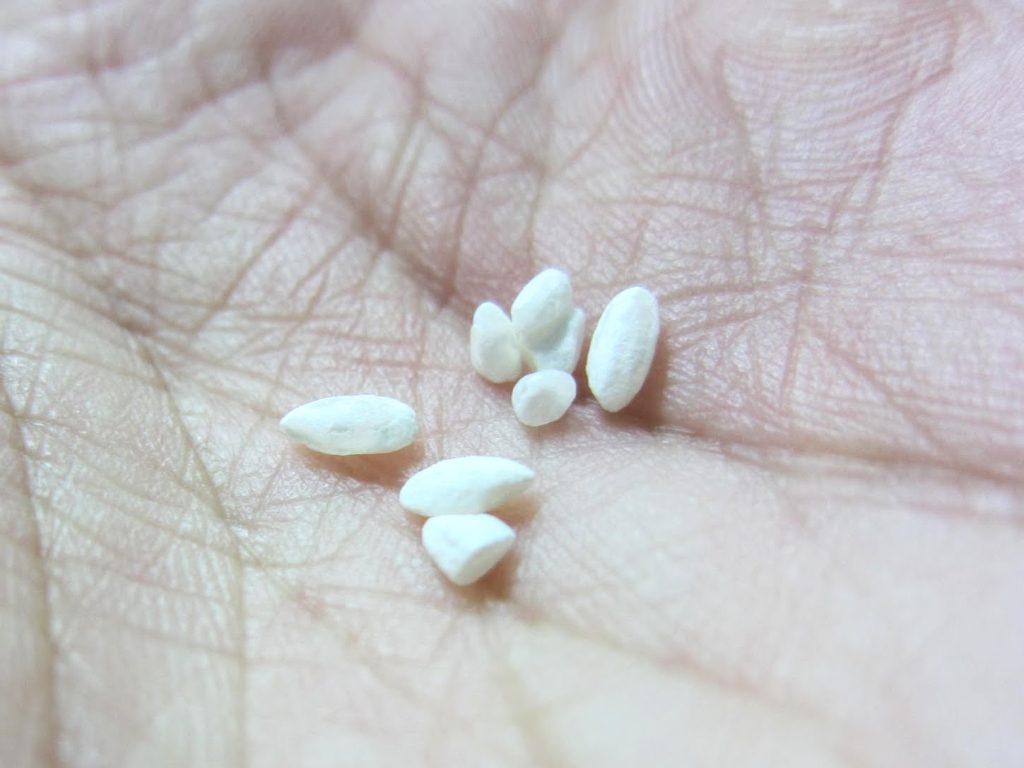
- It’s the jewel-like part shining white, sleeping at the heart of sake rice.
- Packed with energy called starch, it has a porous, sponge-like structure.
- The size and shape of this shinpaku greatly affect the activity of tiny artisans called koji mold, drastically changing the taste of sake.
- Especially, Yamada Nishiki’s shinpaku is characterized by its elongated, thread-like shape. This shape is the secret to its delicate and refined taste.
Are Proteins, Lipids, and Ash the Villains?
- They’re the slightly mischievous trio located on the outer layer of sake rice.
- Too much can sometimes interfere with the taste of sake.
- However, in moderation, they add complex flavors and richness to sake, making them unexpectedly endearing characters.
Varieties and Personalities of Sake Rice
Shinpaku’s Personalities Vary!
- Yamada Nishiki: Its large, uniform shinpaku is like an honor student! It brings out elegant sweetness and umami.
- Gohyakumangoku: Its slightly shy, smaller shinpaku creates a crisp, dry taste.
- Omachi: Its generous and gentle, soft shinpaku imparts unique flavors and richness.
- Miyama Nishiki: Its cool and stoic shinpaku produces a clean, crisp sake quality.
The Balance of Proteins, Lipids, and Ash is Key to Taste!
- The amounts of this trio vary depending on the sake rice variety.
- For example, Yamada Nishiki’s restrained trio contributes to its clear taste.
The Secret of Starch
- Differences in starch’s molecular structure affect the ease with which the artisan koji mold works.
- The sugars and amino acids produced by starch decomposition become the source of sake’s sweetness and umami.
The Magic of Rice Polishing
Is Higher Rice Polishing Ratio Always Better?
- Polishing rice, which involves milling and refining brown rice, is called “seimai.”
- The more you polish, the more impurities are removed, resulting in a cleaner, more refined taste.
- However, over-polishing can sometimes diminish the sake rice’s unique characteristics.
- Each sake rice variety has its optimal rice polishing ratio to shine its best.
What Changes with Rice Polishing?
- Rice polishing increases the proportion of shinpaku and reduces the trio.
- This accentuates the sake rice’s individuality, making the taste differences more pronounced.
The Tiny Artisans Called Koji Mold
Is Shinpaku a Playground for Koji Mold?
- Shinpaku’s sponge-like structure is the perfect playground for the artisans called koji mold.
- Since the shinpaku structure varies by sake rice variety, the artisans’ activities also change, affecting the sake’s taste.
The Magic Called Enzymes
- The enzymes produced by koji mold work magic, transforming starch into sugar and proteins into amino acids.
- Since the properties of starch and proteins differ by sake rice variety, the magic also varies, changing the types and amounts of sugars and amino acids produced.
The Differences in Sake Rice Work Magic on Sake Flavors!
In this article, we’ve passionately discussed the impact of sake rice varieties on sake flavors!
The individuality of shinpaku, the balance of the trio, the magic of rice polishing, and the activities of the artisans called koji mold… these elements intricately intertwine, creating endless possibilities in sake flavors.
Yamada Nishiki offers elegant sweetness and umami, Gohyakumangoku a crisp, dry taste, Omachi unique flavors and richness, Miyama Nishiki a clean, crisp sake quality… sake flavors vary so much depending on the sake rice variety.
Understanding these differences will make choosing sake more enjoyable and deepen your appreciation of sake!
By all means, referring to this article, try comparing sake made from various sake rice varieties and find your best bottle!
I’m still learning, but I hope to explore the allure of sake with everyone! ✨
#sake #sakerice #yamadanishiki #gohyakumangoku #omachi #miyamanishiki #sakeknowledge #sakebeginner #sakechoosing

コメント